Understanding the Transition from Dementia Care to Palliative Care
Caring for a loved one living with dementia can be a long and emotional journey. As the condition progresses, care needs often become more complex, and families may begin to hear the term palliative care.
If you’re unsure what this means or when it becomes relevant, you’re not alone. Understanding how palliative care and dementia work together can help you feel more prepared, supported and confident in the decisions ahead.
What Is Dementia Palliative Care?
Palliative care focuses on comfort, dignity and quality of life, particularly when someone is living with a serious or life-limiting condition.
In the context of dementia palliative care, the goal is not to cure the condition, but to ensure that the individual is as comfortable and supported as possible as their needs change.
This includes managing pain, reducing distress and providing emotional support, both for the individual and their family.


When Does Dementia Become Advanced?
Dementia is a progressive condition, meaning symptoms gradually worsen over time. In the later stages, often referred to as advanced dementia, individuals may experience significant memory loss, limited communication and increased physical frailty.
At this stage, everyday tasks such as eating, moving or recognising loved ones may become more difficult. Care needs also become more complex, often requiring specialist support.
This is typically when discussions around palliative care and dementia begin.
Recognising the Transition to Palliative Care
The transition from standard dementia care to palliative care is not always sudden. Instead, it tends to happen gradually as needs evolve.
Some signs that palliative care may be appropriate include increased frailty, frequent infections, difficulty swallowing or a noticeable decline in overall health.
At this point, the focus of care often shifts from maintaining independence to ensuring comfort, dignity and emotional well-being. For families, understanding this transition can help reduce uncertainty and allow for more informed decisions about care.
Why Palliative Care Is So Important in Dementia
One of the challenges with dementia is that individuals may not always be able to communicate how they are feeling.


This makes specialist care essential. Experienced care teams are trained to recognise signs of discomfort, pain or distress, even when they are not clearly expressed. Providing high-quality dementia palliative care ensures that individuals are treated with compassion and respect, with every effort made to keep them comfortable and at ease.
Supporting Emotional Wellbeing
Palliative care is not just about physical support, it also focuses on emotional wellbeing.
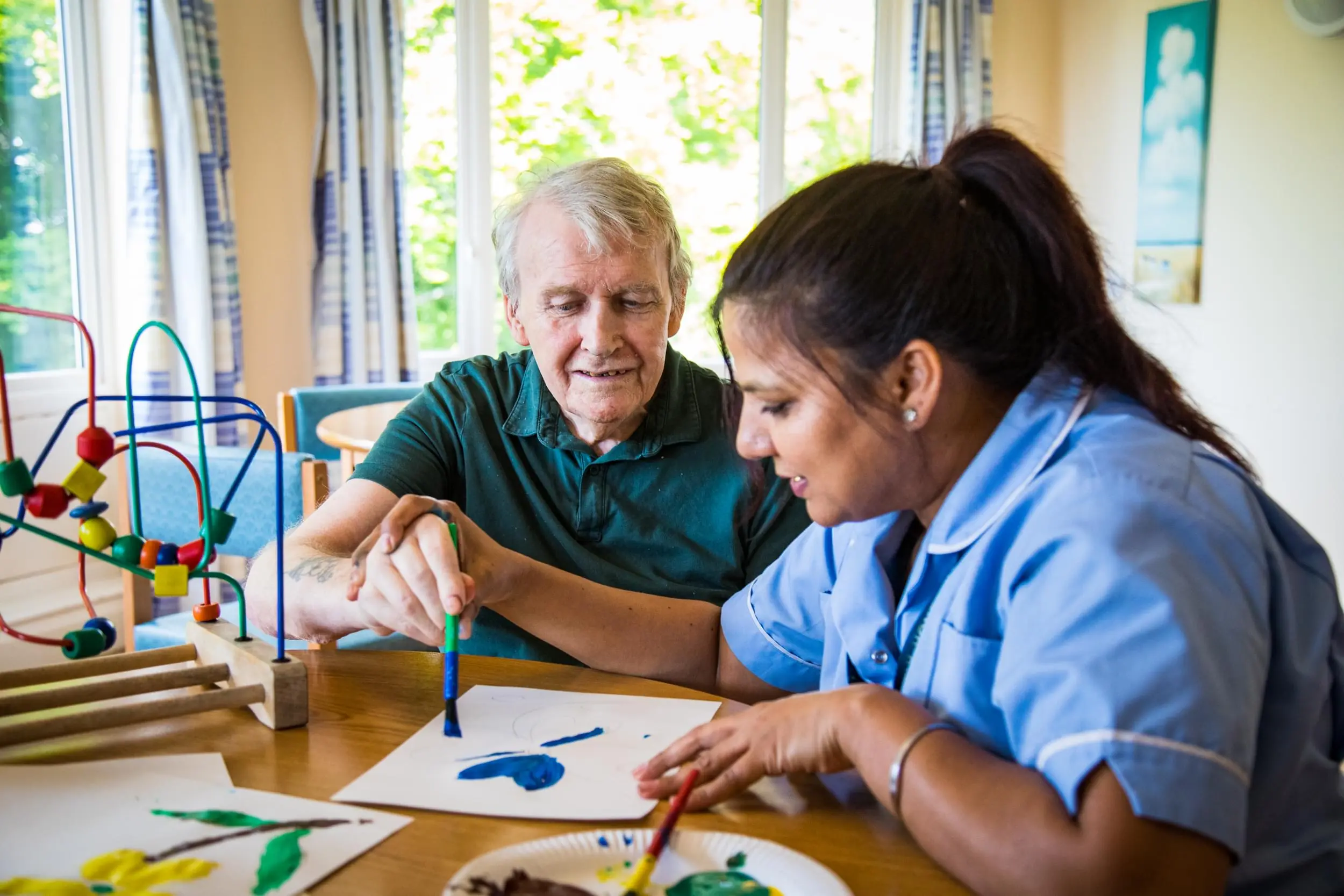
A calm and familiar environment, gentle routines and meaningful interactions can all help reduce anxiety and provide reassurance. Families also play an important role during this time. Being present, sharing moments together and knowing that your loved one is receiving compassionate care can bring a sense of comfort.
Supporting Families Through the Journey
When a loved one reaches the later stages of dementia, it can be an emotional time for families.
Feelings of uncertainty, sadness and even guilt are completely natural. This is why palliative care also focuses on supporting those closest to the individual.
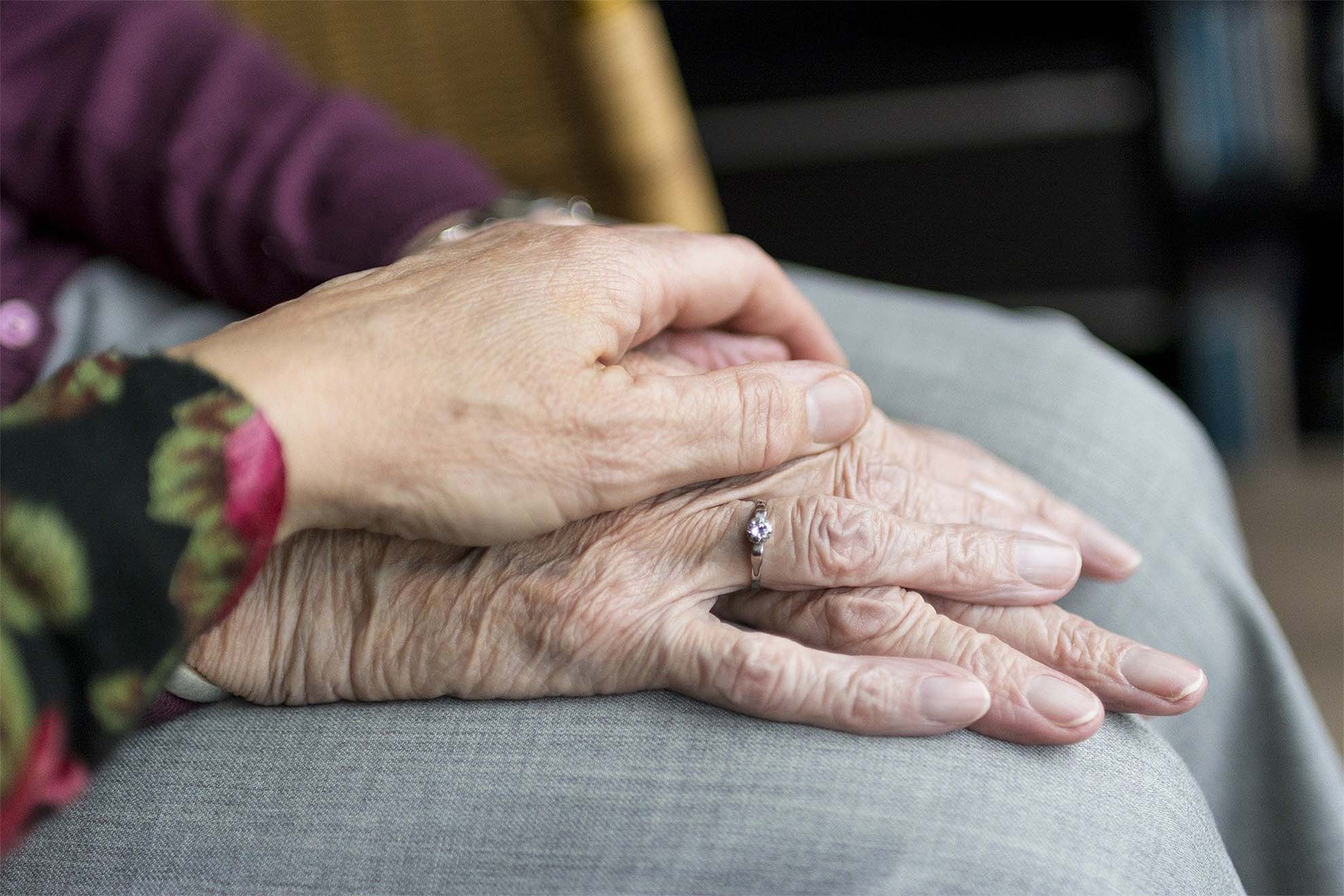
Care teams work closely with families, offering guidance, reassurance and clear communication throughout. This helps ensure that everyone feels informed and supported during what can be a very difficult time.
Planning Ahead Makes a Difference
One of the most helpful steps families can take is to have conversations early about future care preferences. Planning ahead allows individuals to express their wishes while they are still able to do so. This can include decisions around care, comfort and the environment they feel most at ease in.


Having these plans in place can make the transition into dementia palliative care feel more manageable and aligned with the individual’s wishes.
Specialist Dementia and Palliative Care at Mayflower Care Home
At Mayflower Care Home, we provide compassionate, specialist support for individuals living with complex and advanced dementia.
Our experienced team understands the unique challenges that come with advanced dementia and the transition into palliative care. We focus on comfort, dignity and personalised support, ensuring each resident receives the highest standard of care in a calm and nurturing environment.
For families seeking expert support with palliative care and dementia, Mayflower Care Home offers reassurance, understanding and a team you can trust.
If you would like to learn more or arrange a visit, please get in touch with us today.