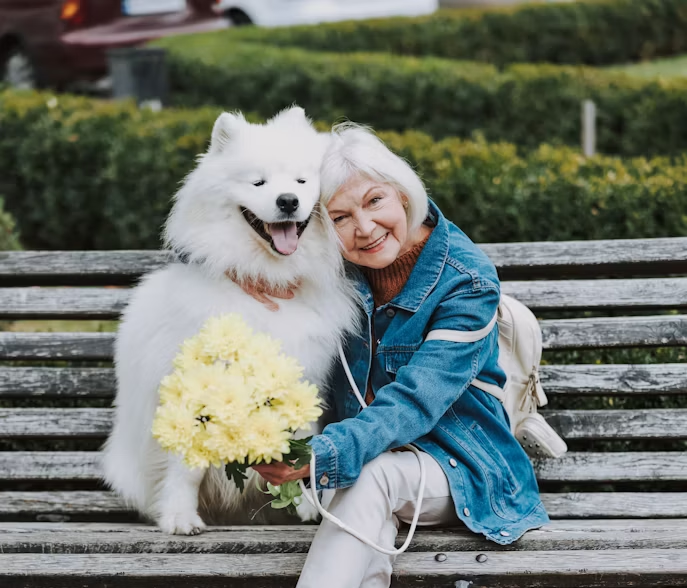
Animals can bring a sense of warmth, companionship and joy wherever they go. In care homes, spending time with a friendly animal can be a meaningful part of everyday life, offering residents opportunities to connect, communicate and enjoy moments of calm.
Pet therapy can be particularly beneficial for people living with dementia. Familiar animals and gentle interactions can encourage positive emotions, stimulate memories and provide a comforting presence.
What Is Pet Therapy?
Pet therapy involves spending time with trained or suitable animals as part of a person's care and wellbeing. This might involve stroking, grooming or simply sitting alongside an animal.
The experience does not need to be complicated. For many residents, having an animal nearby can provide companionship and create a natural opportunity to interact with others.
Pet therapy is not intended to replace medical or personal care. Instead, it can complement a person's wider care and wellbeing by providing enjoyable and meaningful experiences.
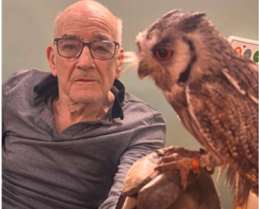
Encouraging Social Interaction
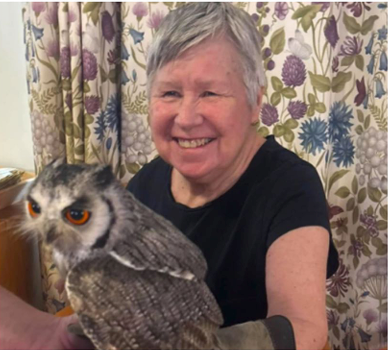
Animals can provide a natural talking point and bring people together. A resident who may not usually start a conversation might be encouraged to talk about an animal, share memories of pets they have owned or simply enjoy watching others interact with them.
These shared experiences can help create connections between residents, families and care teams.
Supporting Emotional Wellbeing
Spending time with an animal can be comforting and enjoyable. Stroking a friendly animal or simply having one sitting nearby can create a peaceful moment within the day.
For residents who may experience feelings of loneliness or anxiety, these gentle interactions can provide companionship and reassurance.
Creating Meaningful Experiences
Pet therapy can give residents something to look forward to and become part of their regular routine. Whether it is a scheduled visit from a therapy animal or an opportunity to spend time with a visiting pet, these experiences can bring variety and enjoyment to everyday life.
Encouraging Gentle Activity
Interacting with an animal can naturally encourage small amounts of movement. A resident might reach out to stroke an animal, help with grooming or walk alongside them.
These simple activities can support engagement without feeling like formal exercise.
How Pet Therapy Can Benefit Residents Living With Dementia
Animals can be especially meaningful for people living with dementia because interactions are often simple, familiar and centred around the present moment.
Stimulating Memories
A resident may have owned a dog, cat, horse or another animal earlier in their life. Seeing or spending time with an animal can bring back memories of previous pets, family life or experiences from childhood.
Talking about these memories can provide opportunities for reminiscence and meaningful conversation.
Providing Comfort And Reassurance
As dementia progresses, communication and everyday routines can sometimes become more challenging. An animal can provide a calming presence without requiring complicated conversation or responses.
A resident can simply sit with an animal, stroke it or watch it, allowing them to enjoy the interaction in their own way.
Supporting Communication
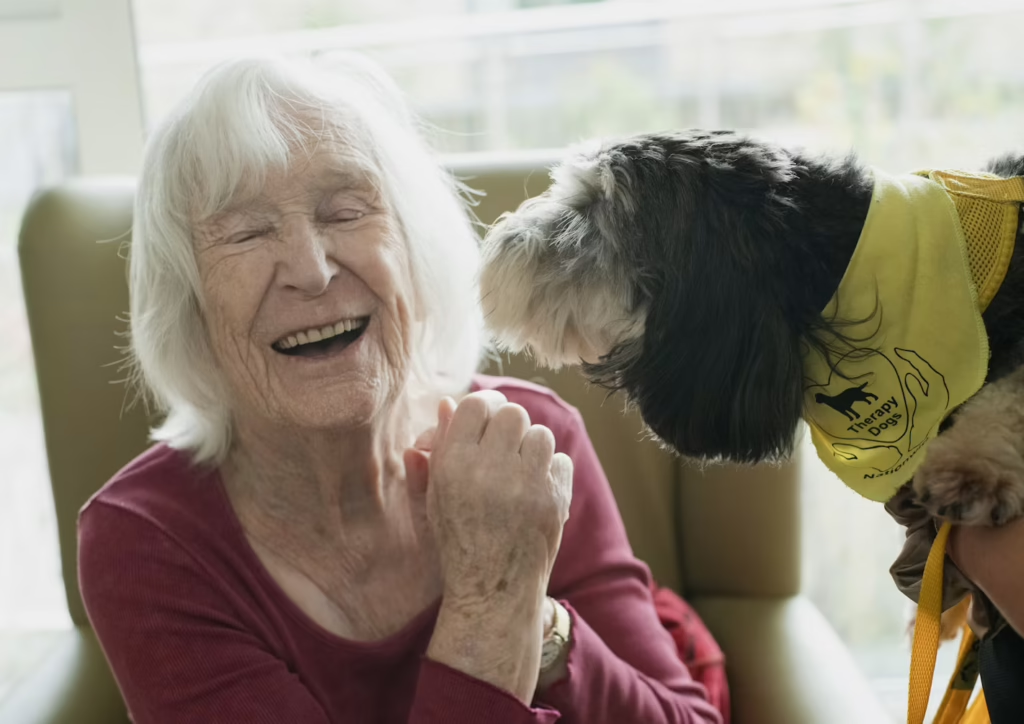
Pet therapy can encourage communication even when a resident finds other conversations difficult. A resident might smile, laugh, make eye contact, talk to the animal or respond to questions about it.
These small moments of communication can be meaningful and help residents remain socially engaged.
Bringing Joy And Familiarity
Animals can create moments of happiness and familiarity. A wagging tail, a gentle purr or simply having a friendly animal nearby can bring a positive change to someone's day.
For people living with dementia, activities that feel familiar and enjoyable can be particularly valuable.
Pet Therapy As Part Of Person-Centred Dementia Care
Everyone living with dementia is different, so activities should reflect the person's individual interests, history and preferences.
For someone who has always loved animals, spending time with a dog or another suitable animal may be particularly meaningful. Others may prefer to watch from a comfortable chair or simply enjoy having an animal nearby.
At Mayflower Care Home, activities and experiences can be adapted around the individual, helping residents take part in ways that feel comfortable and enjoyable for them.
Creating Meaningful Moments At Mayflower Care Home
At Mayflower Care Home in Gravesend, caring for residents living with dementia and those with more complex care needs means looking beyond physical care and considering the person as a whole.
Meaningful activities, social interaction and opportunities to enjoy familiar interests can all contribute to a positive day-to-day experience. Pet therapy can be one way of creating these moments, whether that means a resident enjoying a gentle stroke, talking about a much-loved pet from their past or simply smiling when an animal walks into the room.
For families considering dementia care for a loved one, these everyday experiences can be an important part of understanding what life in a care home can look like.
If you would like to find out more about dementia and complex care at Mayflower Care Home, please get in touch with our friendly team and arrange a visit. We would be happy to show you around the home and talk about how we can support your loved one.