For someone living with dementia, the environment around them can have a significant influence on how comfortable, confident and independent they feel. Familiar surroundings, predictable routines and thoughtful changes to the home can make everyday tasks easier and provide reassurance.
There is no single way to create a dementia-friendly home. Dementia affects everyone differently, so the most helpful environment is one that reflects the individual person's needs, preferences, abilities and life experiences.
For families supporting someone living with dementia, small changes can sometimes make a meaningful difference. From improving lighting and reducing unnecessary clutter to creating familiar spaces filled with treasured belongings, a supportive environment can help someone feel more at ease in their surroundings.
What Is A Dementia-Friendly Home?
A dementia-friendly home is an environment designed around the person living there. It considers how changes in memory, perception, mobility and communication may affect the way someone experiences their surroundings.
This does not necessarily mean making major changes or turning a home into a clinical environment. Often, it is about making everyday spaces feel familiar, calm and easy to understand.
The person's personality and preferences should remain at the centre of any changes. What feels reassuring to one person may feel unfamiliar or unnecessary to another.
Keep Familiar Routines
Familiarity can be particularly reassuring for someone living with dementia. Maintaining everyday routines can provide a sense of structure and make the day feel more predictable.
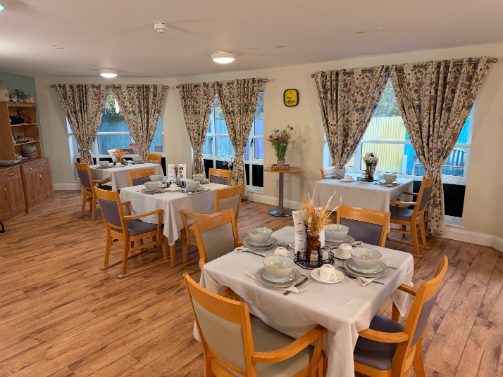
This could include having meals around familiar times, enjoying a favourite morning drink, listening to the radio after breakfast or following a familiar bedtime routine.
Where possible, continuing hobbies and interests can also help someone maintain a sense of identity. Familiar activities such as reading, gardening, listening to music, baking or looking through photographs can provide comfort while creating opportunities for meaningful engagement.
Consistency does not mean every day needs to be exactly the same. It simply means creating a rhythm that feels familiar and allowing the person to have choices within it.
Reduce Unnecessary Clutter
Too much visual clutter can sometimes make it harder for someone living with dementia to understand their surroundings.
Keeping walkways clear and avoiding unnecessary objects on floors, stairs and frequently used surfaces can make rooms easier to navigate. It can also reduce potential trip hazards and make important items easier to find.
This does not mean removing everything from the home. Personal belongings are an important part of creating a familiar environment. Instead, consider whether each item has a purpose or meaning and whether the space could be made easier to navigate by simplifying certain areas.
Use Lighting To Make Spaces Easier To Navigate
Good lighting can make a noticeable difference to how someone experiences their home.
Rooms should ideally have enough natural or artificial light for everyday activities, while avoiding excessive glare and harsh contrasts where possible. Dark areas can sometimes be confusing, particularly when moving between rooms or navigating unfamiliar spaces.
Night lights can also help someone find their way to the bathroom or other important areas during the night without having to navigate a completely dark environment.
The right approach will depend on the individual, their eyesight and how they use each room.
Make Important Areas Easy To Find
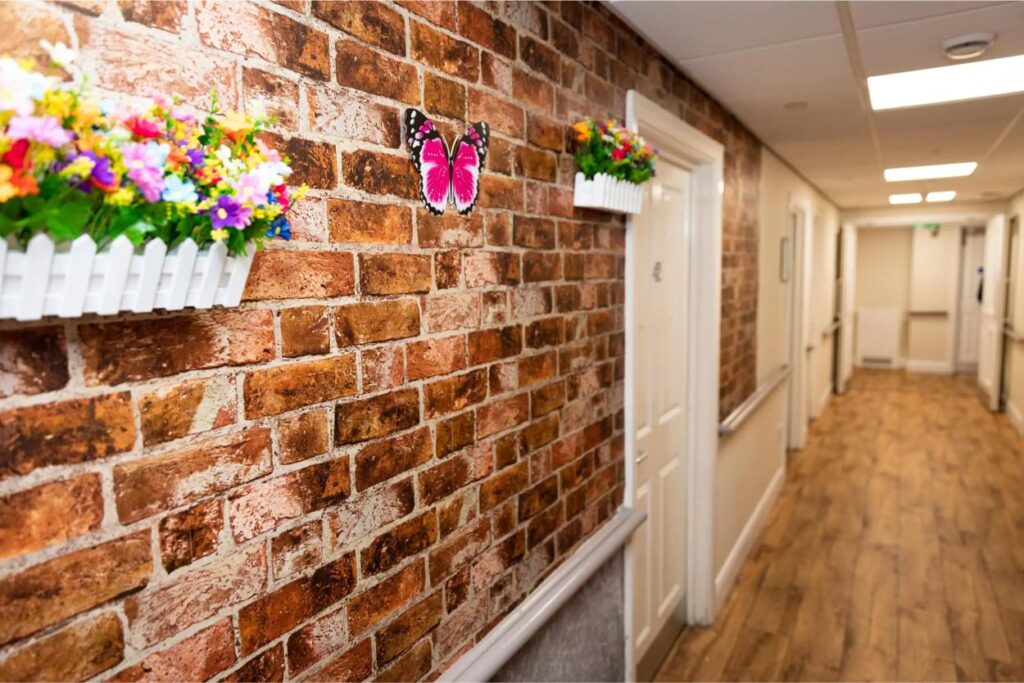
Simple visual cues can help someone identify different areas of the home.
Clear signs, pictures or familiar symbols can sometimes make it easier to recognise a bathroom, bedroom or other important space. A photograph or personal item outside a bedroom can also help someone identify their own room.
Cupboards and drawers can be labelled where this would be helpful, particularly if someone finds it difficult to remember where everyday items are kept.
The aim is not to fill the home with signs, but to introduce simple cues where they can genuinely support independence.
Surround Residents With Familiar Belongings
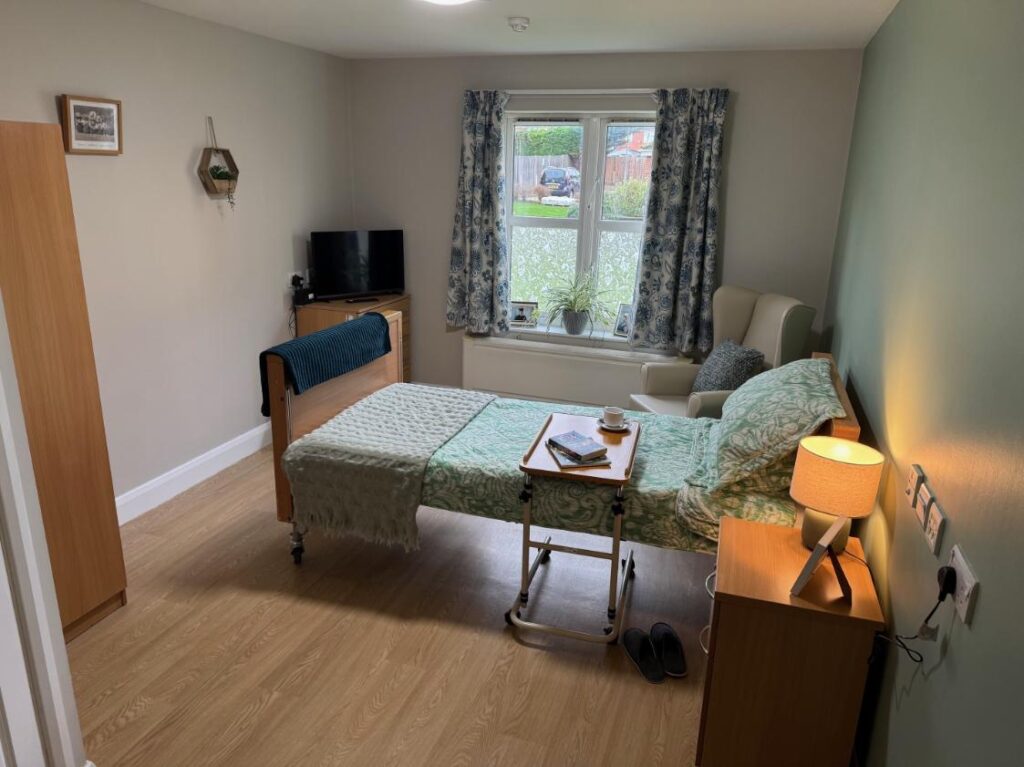
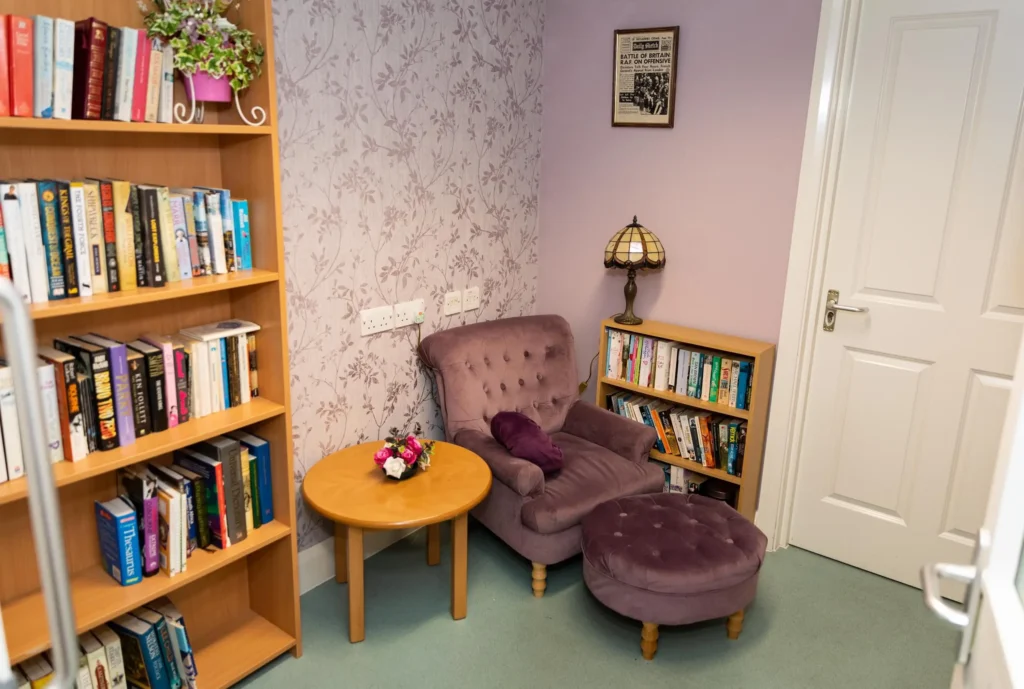
Personal belongings can help transform a house into a place that feels familiar and meaningful.
Family photographs, treasured ornaments, favourite books, artwork, familiar furniture and objects connected to someone's past can all provide opportunities for recognition and conversation.
Photographs can be particularly valuable. Looking through pictures together can encourage conversations about family, holidays, hobbies and important memories.
These personal touches can also help carers and visitors learn more about the person's life and interests, supporting a more personalised approach to care.


Create Calm Spaces
Not everyone enjoys being surrounded by noise and activity all the time. Having somewhere quiet to retreat to can be particularly valuable when someone feels overwhelmed, tired or anxious.
A comfortable chair near a window, a favourite book, soft furnishings and familiar music can help create a peaceful space.
For someone who enjoys music, a small area where they can listen to favourite songs may become an important part of their day. For another person, sitting in a quiet garden or looking through family photographs may be more comforting.
The important thing is to create a space that reflects the individual.
Think About Sensory Experiences
The senses can play an important role in creating a comforting environment.
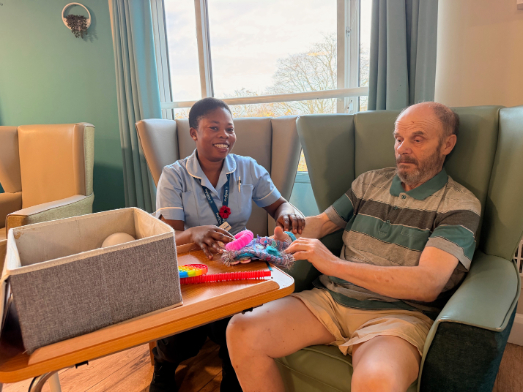
Familiar music, textures, scents and visual objects can all help create positive experiences. Activities involving different senses can also provide meaningful engagement for people living with dementia.
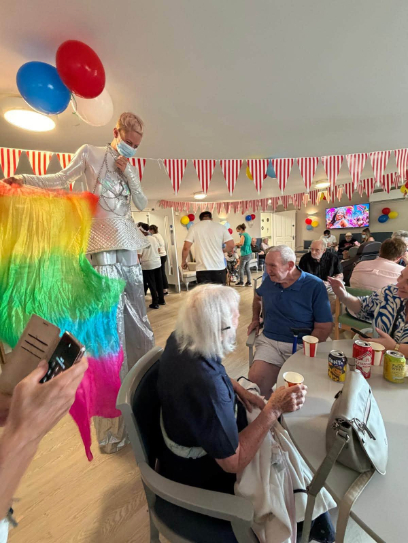
At Mayflower Care Home, sensory experiences can form part of everyday life through activities and dedicated spaces such as a sensory room. These environments can provide a calm place where residents can explore different sounds, textures, lights and other sensory experiences at their own pace.
Sensory activities can also be incorporated into everyday life. Listening to favourite music, handling familiar objects, enjoying the feel of a soft blanket or spending time with an animal through pet therapy may all provide comfort and stimulation.

Encourage Meaningful Activities
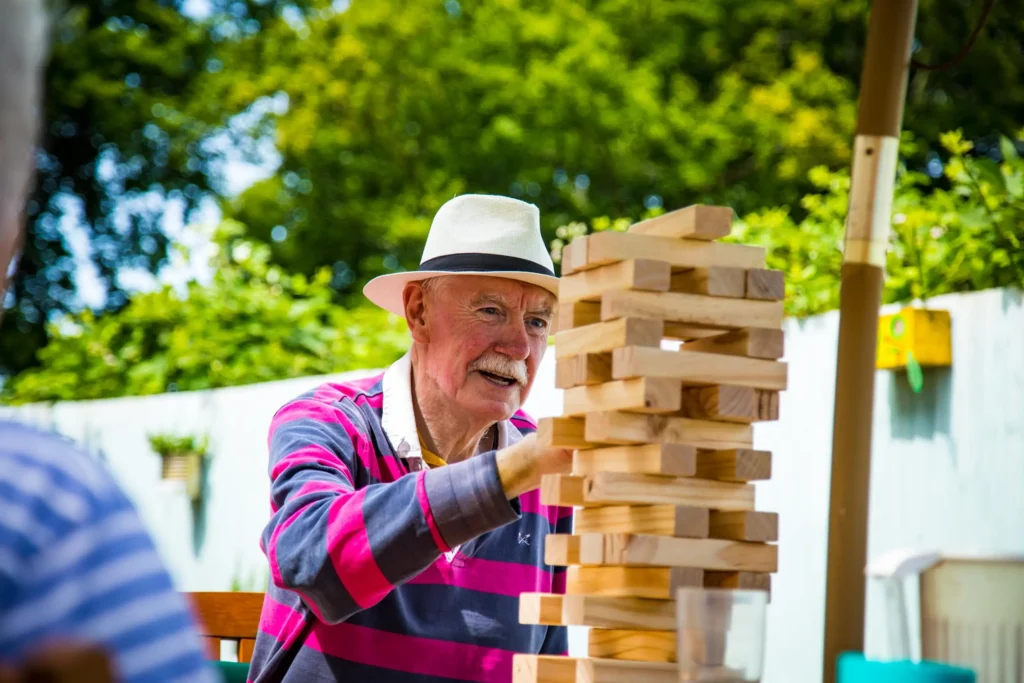
A dementia-friendly environment should support more than safety. It should also provide opportunities for enjoyment, purpose and independence.
Meaningful activities can be adapted to suit someone's abilities and interests. Someone who previously enjoyed gardening might help with plants, while someone who loved cooking might enjoy helping to prepare simple ingredients. Music, painting, puzzles, reminiscence activities and time spent with animals can all provide opportunities for engagement.
Pet therapy can be particularly enjoyable for some people living with dementia. Spending time with a friendly animal can encourage conversation, provide companionship and create a calming experience.
Activities do not need to be complicated. Sometimes the most meaningful moments come from ordinary things that connect with someone's interests and past experiences.
Remember That Dementia-Friendly Design Is Personal
There is no checklist that will work perfectly for every person living with dementia.
One individual may feel comfortable in a busy, social environment, while another may prefer somewhere quieter. Someone may benefit from clear labels, while another person may find them unnecessary. As dementia progresses, their needs may also change.
This is why it is important to regularly consider whether the environment is still working for the individual. Family members, carers and the person themselves can all contribute to decisions about what changes might be helpful.
The goal should always be to support dignity, independence, comfort and quality of life rather than simply focusing on what someone can no longer do.
Creating A Supportive Dementia Care Environment
Creating a dementia-friendly environment is ultimately about helping someone feel that they belong. Familiar routines, meaningful belongings, clear surroundings, appropriate lighting, calming spaces and enjoyable activities can all contribute to a greater sense of comfort and confidence.
For families looking for specialist dementia care in Gravesend, the environment is one of many factors worth considering when choosing a care home. It can be helpful to visit a home, speak with the team and see how residents are supported throughout the day.
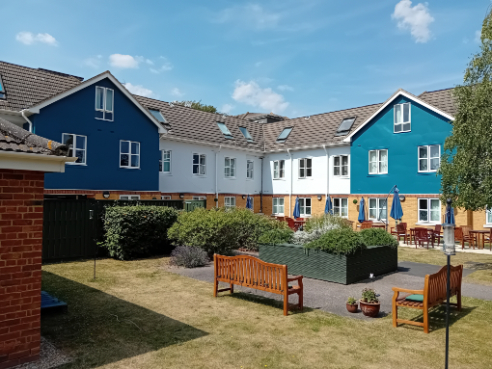
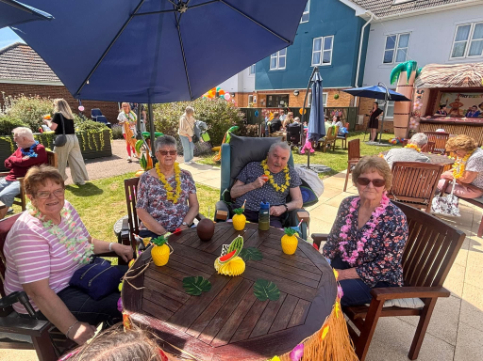
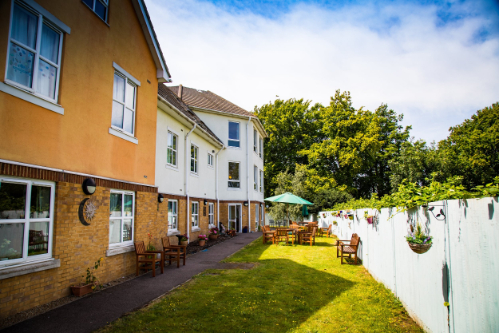
At Mayflower Care Home in Northfleet, Gravesend, our approach to dementia care is centred around understanding each resident as an individual. We recognise that people living with dementia have different needs, personalities, histories and interests, and their surroundings should reflect that individuality.
From meaningful activities and sensory experiences to personalised spaces and compassionate support, the aim is to create an environment where residents can feel safe, comfortable and valued while continuing to enjoy meaningful everyday experiences.
If you are considering dementia care in Gravesend for someone you love, we welcome you to contact Mayflower Care Home to learn more about our approach and arrange a visit.